BS 5839-1:2025 – What’s New in Fire Alarm Standards for the UK?
On April 30, 2025, the British Standards Institution published the updated BS 5839-1:2025, superseding the 2017 edition. This revised standard establishes the latest guidelines for designing, installing, commissioning, and maintaining fire detection and alarm systems in non-residential buildings throughout the UK.
Understanding BS 5839-1
BS 5839-1 sets the benchmark for fire alarm systems in commercial and other non-domestic premises. Incorporated within the UK’s Building Regulations Approved Document B, it covers system types, components, placement, operational performance, and ongoing maintenance requirements to ensure safety and regulatory compliance.
Highlights of the 2025 Revision
- Detector Recommendations for Sleeping Areas
Smoke detectors are now preferred over heat detectors in sleeping accommodations such as hotels, care homes, and student housing. This change aims to enhance early warning capabilities in critical locations. - Expanded Category Requirements
Lift shafts are now included within L4 category coverage, and detection devices are mandated in low-risk lobby areas depending on system classification. - Manual Call Point Installation
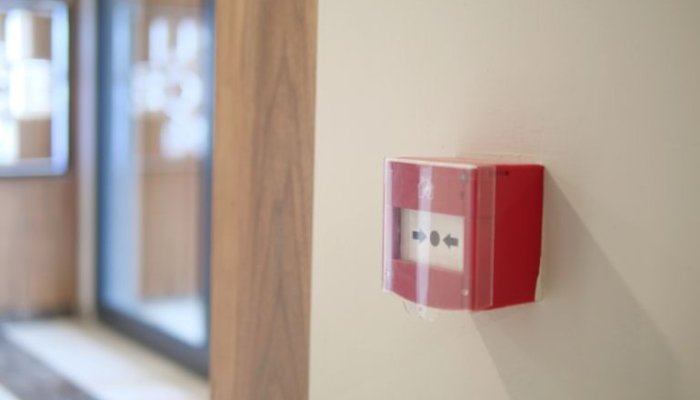
Guidance has been strengthened to ensure manual call points are positioned in areas frequently occupied, making them more accessible and reducing the chance of accidental activation. - Lockdown Alert Tone Features
Fire alarm panels may now integrate distinct lockdown tones, which must be clearly distinguishable from fire alarm signals for clarity during emergencies. - Addressing Physical Obstructions
Installers need to consider ceiling obstructions such as beams or ducting that could create detection blind spots, ensuring comprehensive coverage. - Faster Monitoring Response Times
Automatic fire systems must transmit activation signals within 90 seconds and fault warnings within 3 minutes, reducing detection and response delays. - Battery and Cabling Updates
Red mains cables are now mandatory for easy identification. The formula for calculating battery backup capacity has been revised, requiring existing systems to be reassessed. - Increased Focus on Visual Alarm Devices (VADs)
There is a stronger emphasis on VADs to accommodate people who are deaf or hard of hearing, promoting inclusivity in fire safety. - Mandatory Zone Plans in Multi-Zoned Buildings
Clearly visible zone plans must be displayed near control panels in buildings with multiple fire alarm zones to support quick emergency responses. - Enhanced Fire Alarm Requirements for Residential Care
In care facilities, fire alarms must trigger automatic alerts to central monitoring stations to enable rapid intervention. - Updated Servicing Intervals and Requirements
The servicing interval has been adjusted to allow a window between 5 and 7 months instead of a strict 6-month schedule. Maintenance procedures must include clock synchronization, updating logs, removing obsolete devices, and ensuring user-friendly interfaces. Technicians are required to keep up with Continuing Professional Development (CPD). - Revised Documentation and Certification Processes
All documentation templates, certificates, and logs have been updated. Any system modifications now require formal Modification Certificates, and all deviations must be fully documented.
Why These Changes Are Important
The 2025 updates are designed to save lives and improve system reliability by:
- Accelerating detection in critical areas, especially where occupants are sleeping.
- Enhancing maintenance flexibility while clarifying servicing standards.
- Promoting accessible safety measures for individuals with hearing impairments.
- Raising professional standards through better documentation and technician competency.
If you’re responsible for fire safety in a commercial or care setting, staying up to date with BS 5839-1:2025 is essential to ensure compliance and protect lives effectively.