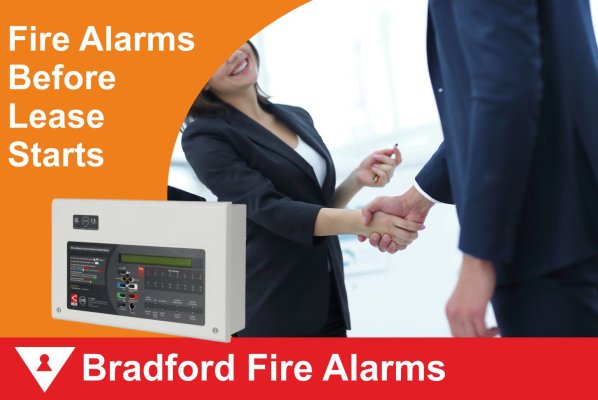
Fire Alarm Checks Before Starting a Lease – When a commercial property changes tenants, attention is usually focused on lease agreements, surveys, decoration and legal paperwork. One area that is often overlooked until the final stages is the fire alarm system.
Whether you’re a commercial landlord, managing agent or property owner, ensuring the fire alarm system is suitable before handing over a new lease can prevent disputes, reduce delays and provide confidence that the building is ready for occupation.
While the responsibilities of landlords and tenants will vary depending on the lease and the nature of the premises, providing a fire alarm system that has been professionally assessed and maintained is a sensible starting point for any successful tenancy.
Every New Tenant Brings Different Risks
The previous tenant may have operated an office, while the incoming occupier intends to use the building as a design studio, showroom or training facility.
Even where structural alterations are minimal, changes in occupancy, staffing levels and business activities may influence how the building is used and how the fire alarm system supports those activities.
Before keys are handed over, it’s worth reviewing whether the existing system remains appropriate for the premises as they will now be occupied.
Has the System Been Properly Maintained?
Long periods of vacancy can affect commercial buildings in many ways.
Although a fire alarm system may have been serviced before the previous tenant left, landlords should establish whether:
- Routine servicing has continued.
- Faults remain outstanding.
- Batteries are within their service life.
- Recent repairs have been completed.
- Documentation is available.
- The control panel is free from faults.
- Weekly testing records have been maintained where appropriate.
Providing this information at the beginning of a tenancy creates a smoother transition and demonstrates good property management.
Alterations Made by Previous Tenants
Many commercial occupiers alter their premises during the course of a lease.
Additional offices, partition walls, suspended ceilings or storage areas may all have affected detector positions, sounder coverage or manual call point locations.
Before a new tenant takes occupation, it’s sensible to confirm that previous alterations haven’t compromised the overall fire alarm design.
Documentation Matters
A commercial fire alarm system should be supported by accurate documentation.
Useful records include:
- Previous service reports.
- Commissioning certificates.
- Zone charts.
- Device schedules.
- Maintenance history.
- Operating instructions.
Having these available allows the incoming tenant and their maintenance provider to understand the existing installation from day one.
Planning Future Fit-Out Works
Many tenants carry out refurbishment works before opening for business.
By discussing proposed alterations early, landlords can ensure fire alarm modifications are incorporated into the project rather than being added after decoration has been completed.
This reduces unnecessary disruption and helps avoid additional costs.
Supporting a Positive Start
A well-prepared commercial property reflects positively on both the landlord and managing agent.
Knowing the fire alarm system has been inspected, documented and is operating correctly provides reassurance for everyone involved in the letting process.
It also allows tenants to concentrate on moving their business rather than arranging urgent fire alarm repairs before opening.
Commercial Fire Alarm Support for Bradford Landlords
Preparing a commercial building for a new tenancy involves far more than handing over the keys.
Reviewing the fire alarm system before occupation helps identify outstanding issues, confirms the condition of the installation and provides valuable information for incoming tenants.
For commercial landlords and property managers across Bradford, taking this proactive approach helps protect the building, supports future occupiers and contributes to a smooth, professional handover every time.